
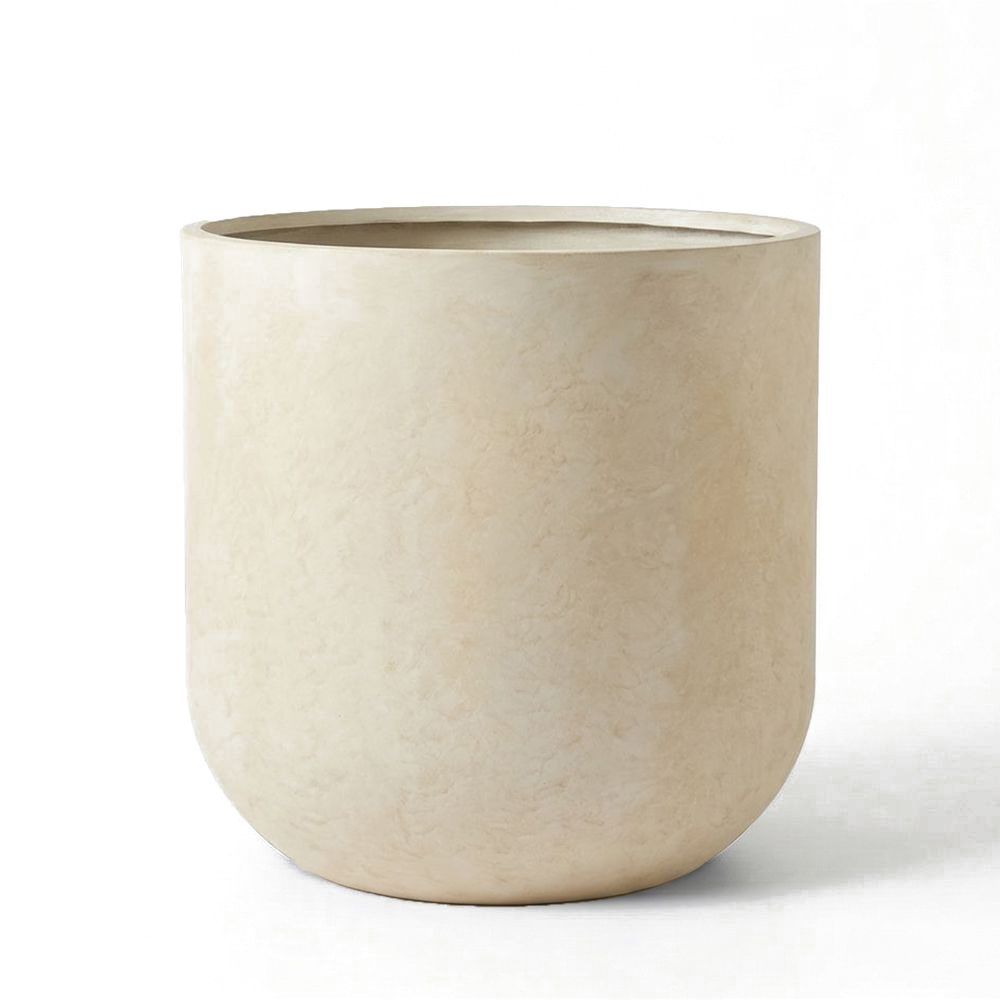
 Titan
Titan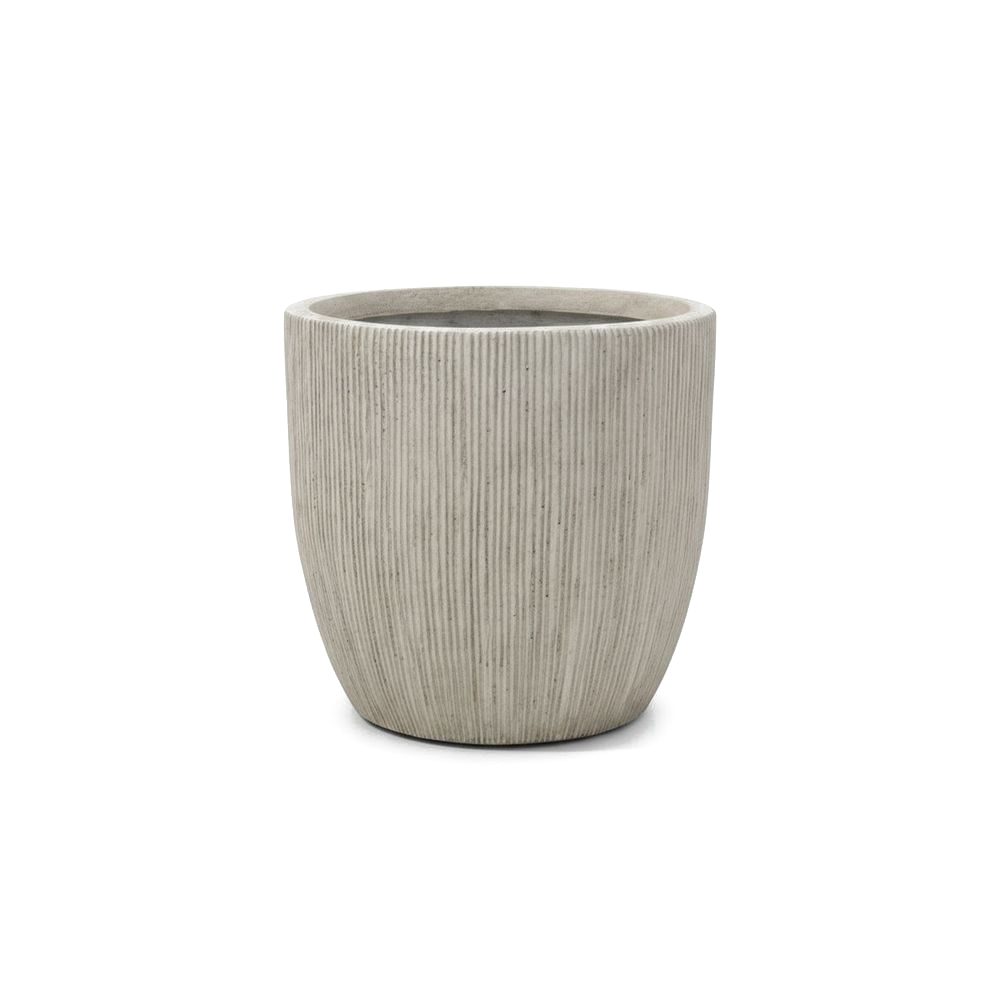 Oval
Oval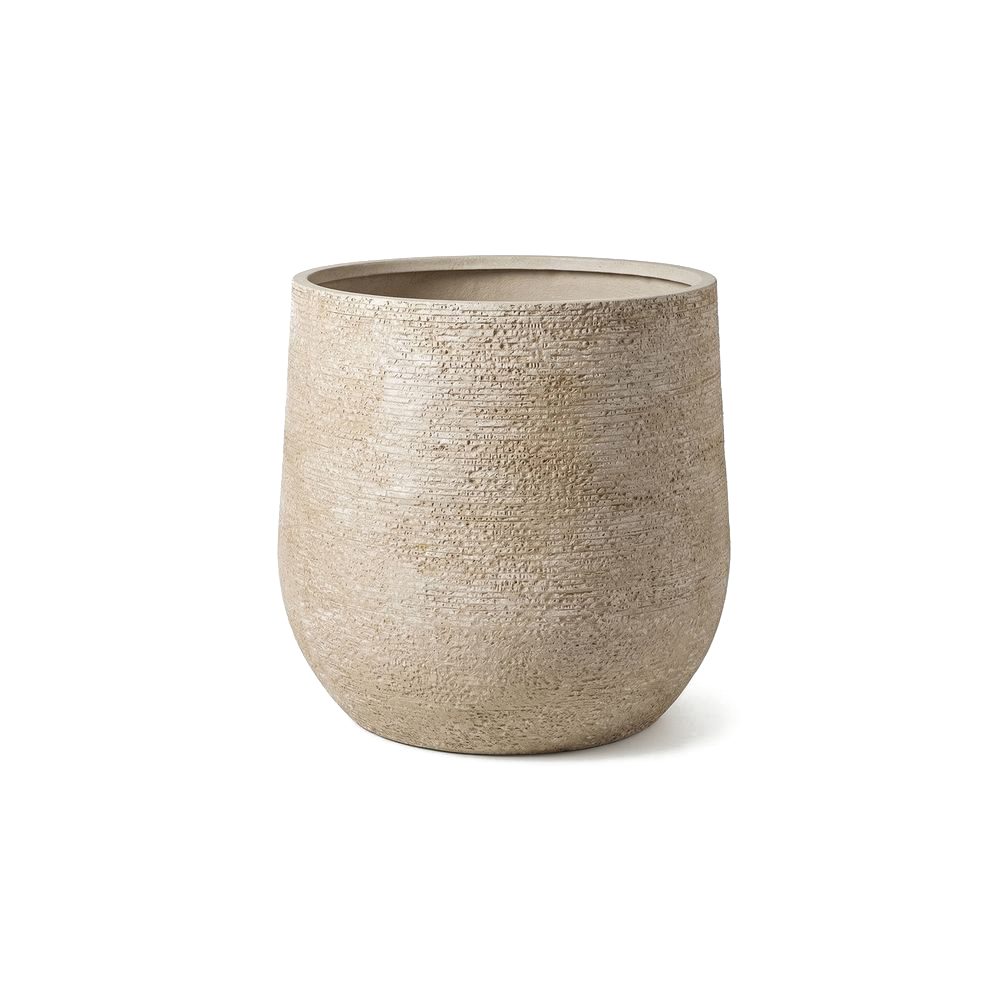 Terra
Terra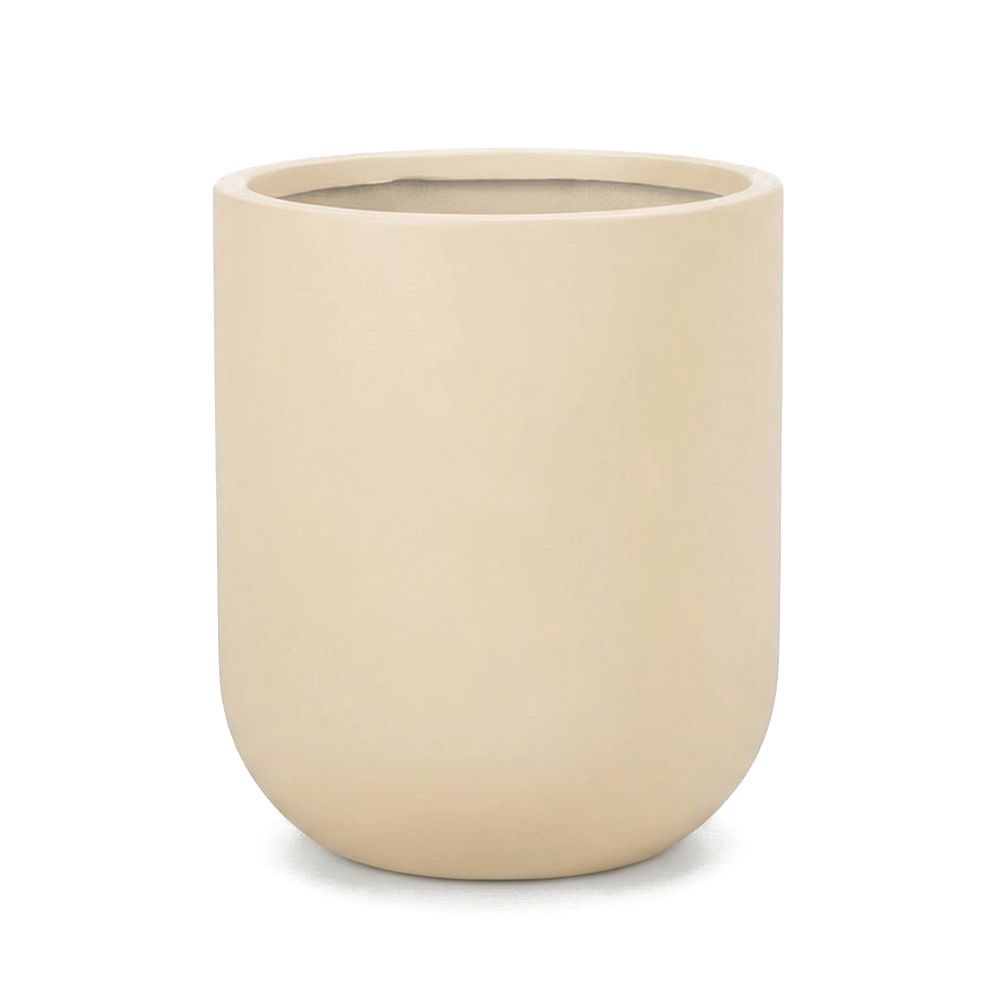 Sade
Sade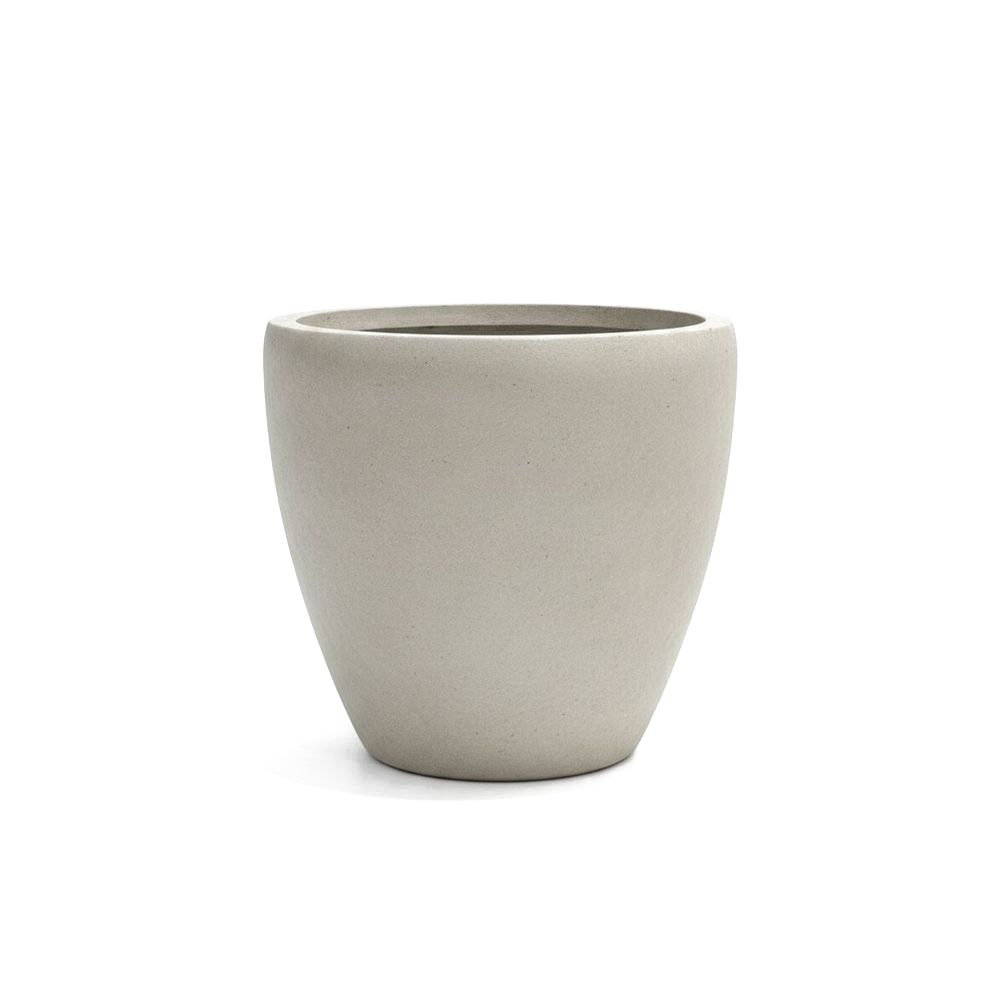 Pera
Pera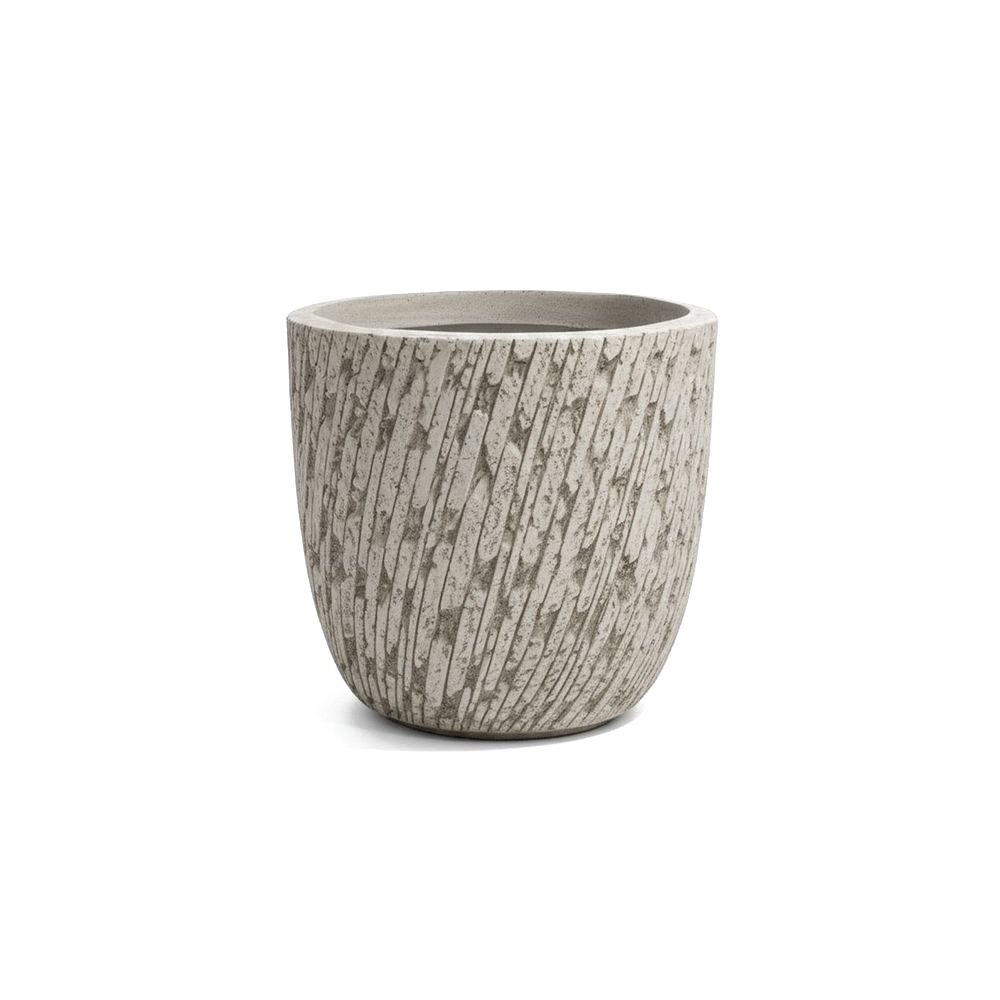 Kale
Kale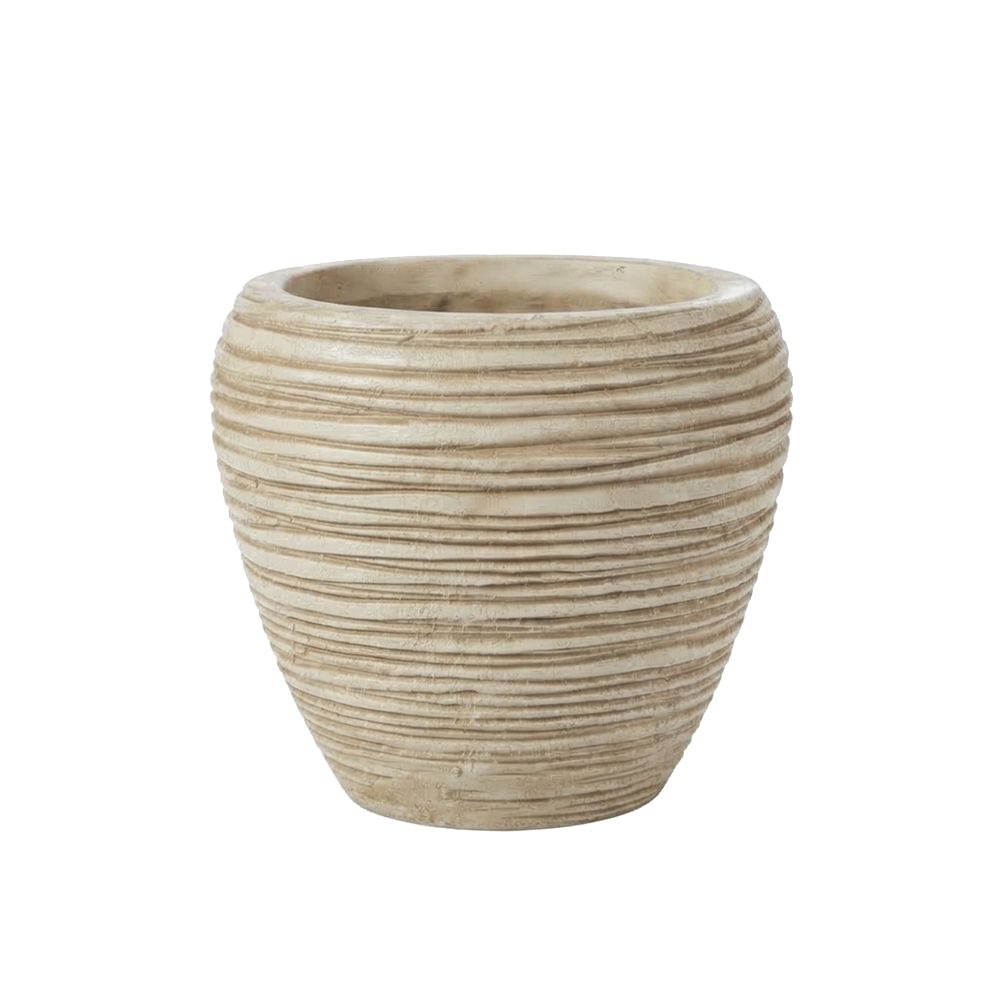 Draco
Draco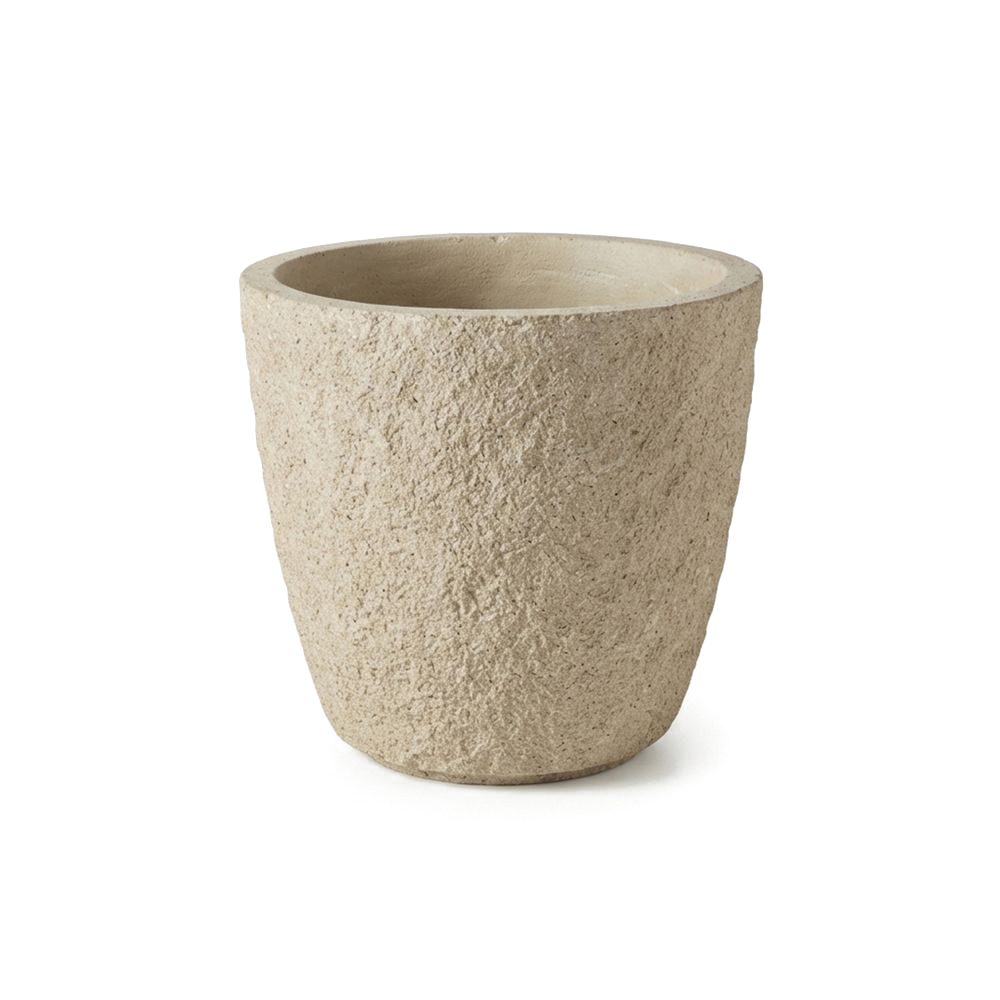 Kozmos
 Astra
Astra Nadir
Nadir Lina
Lina Atlas
Atlas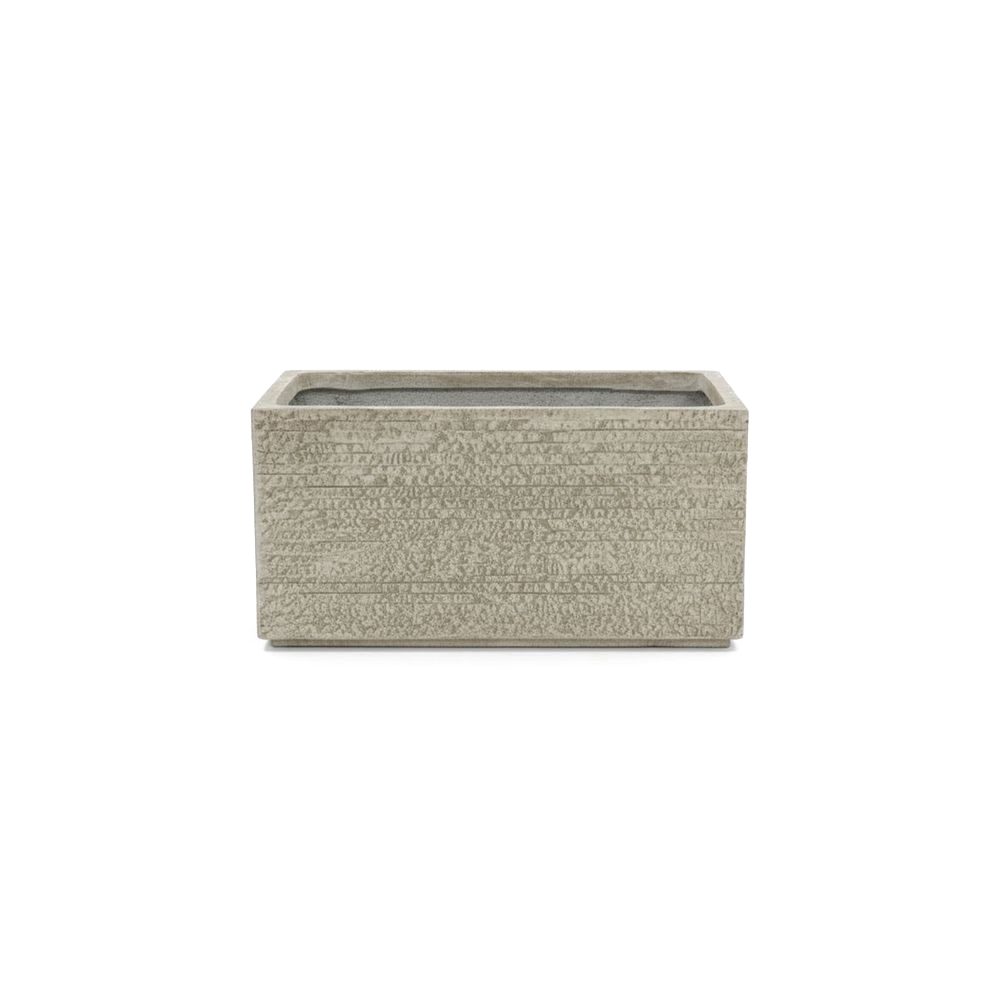 Blok
Blok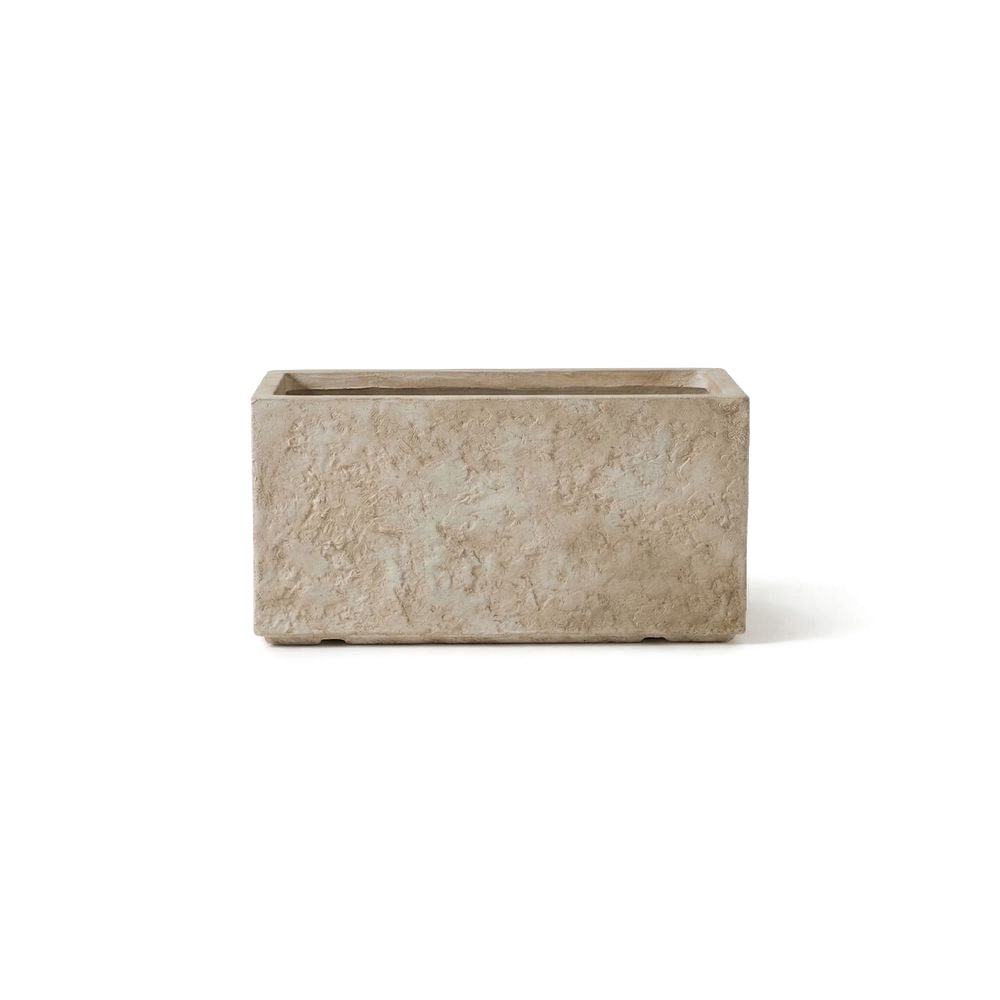 Uranium
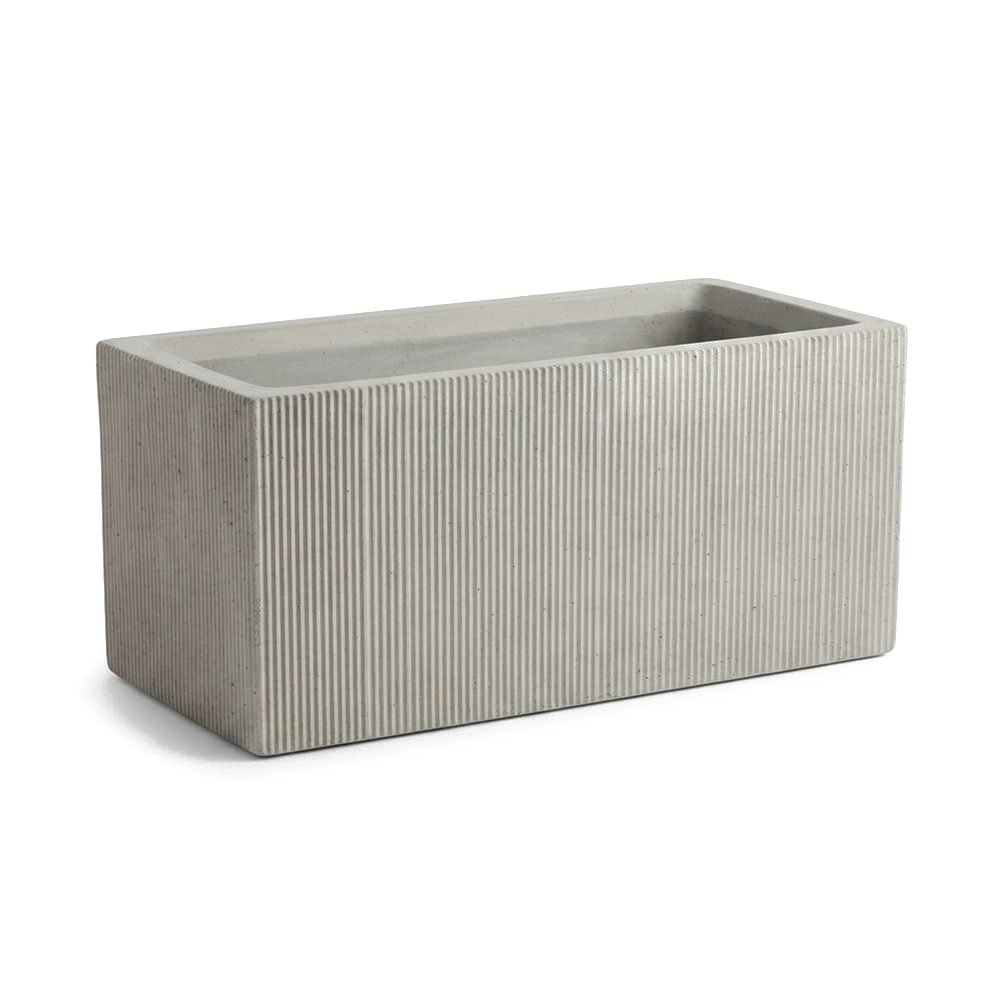 Nebula
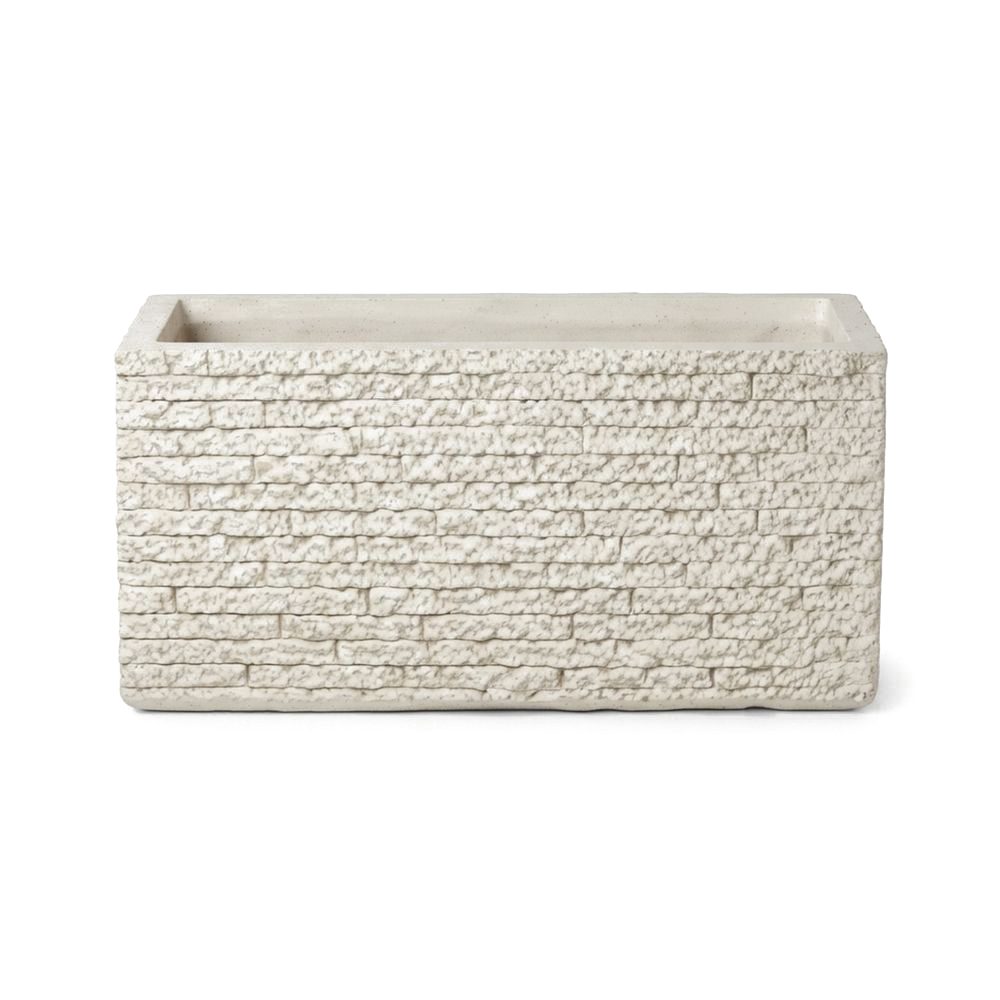 Merkür
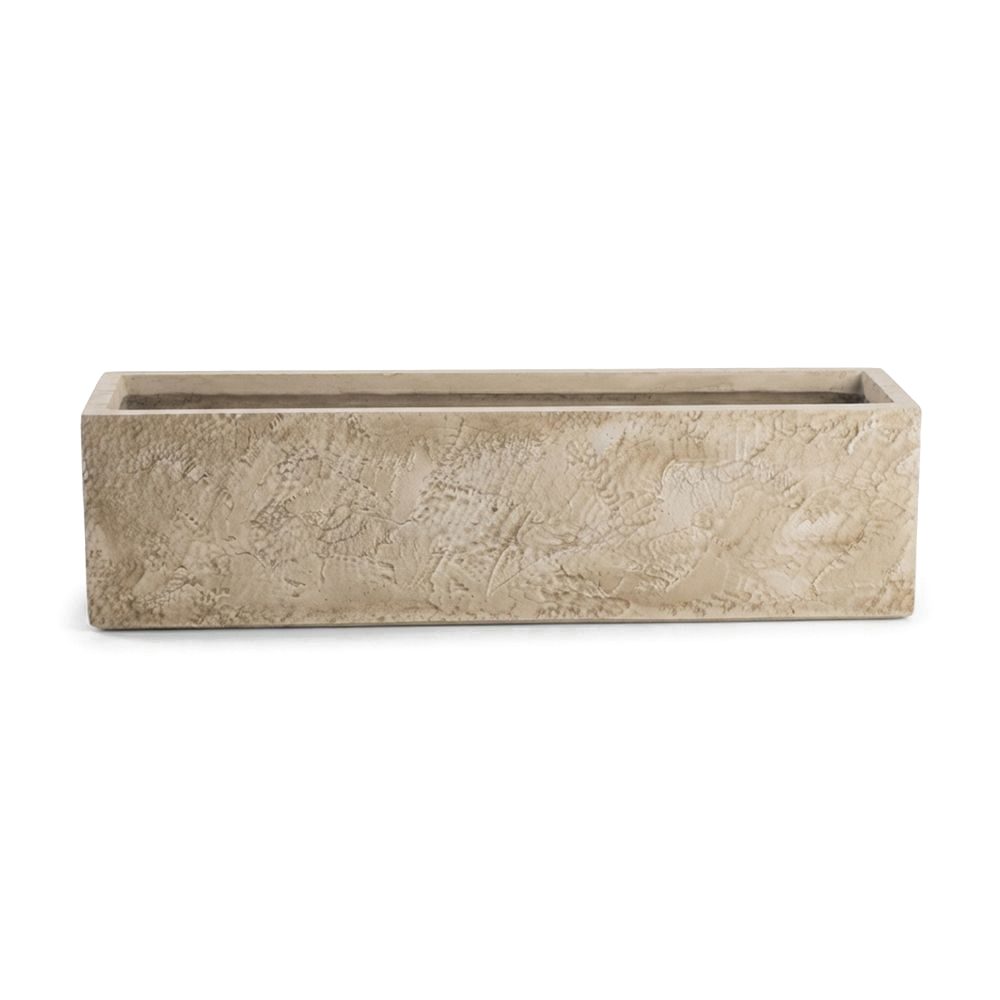 Nova
Nova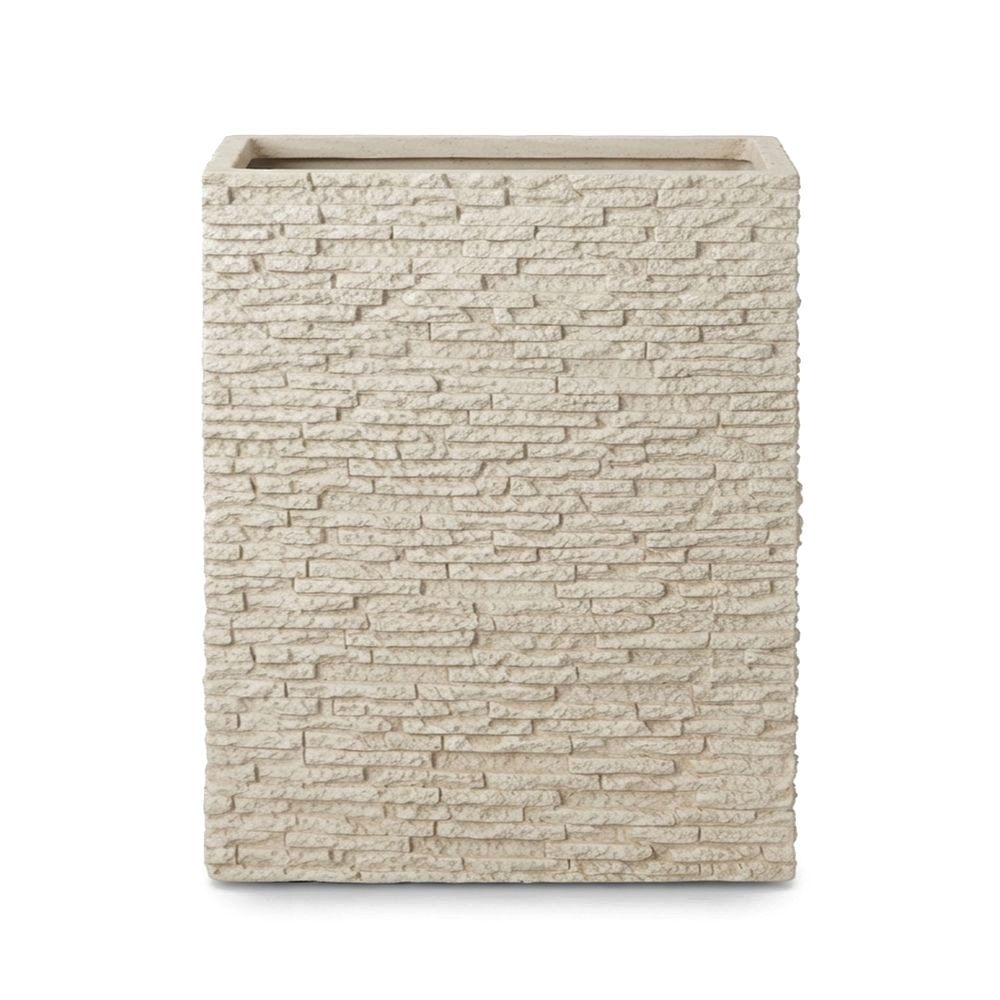 Zenit
Zenit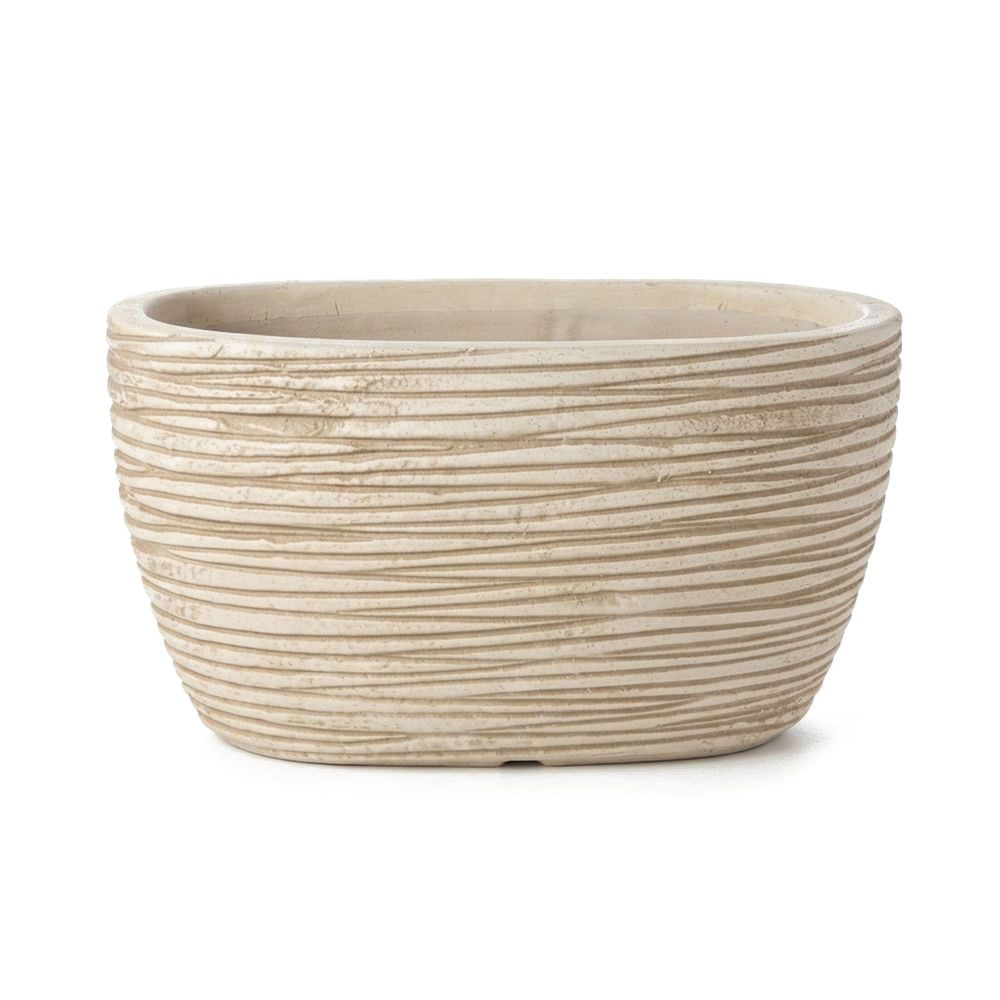 Leo
Leo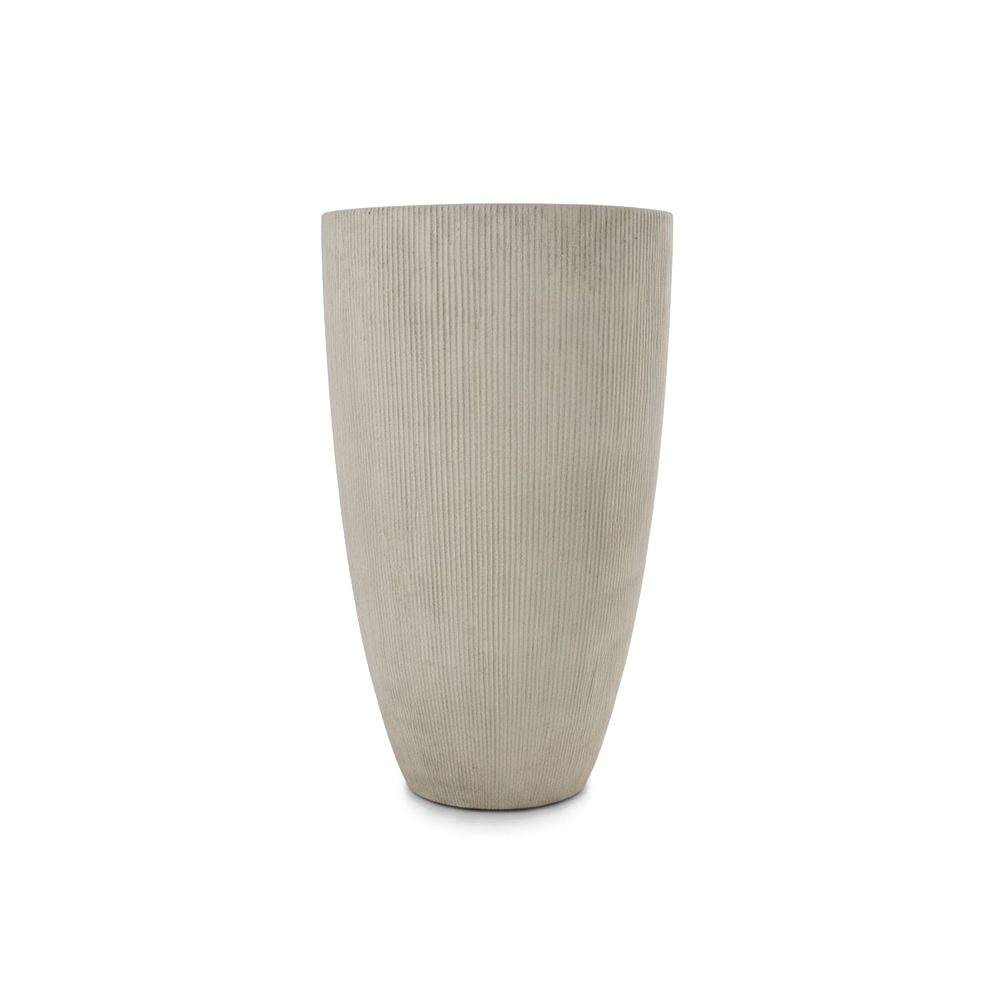 Orion
Orion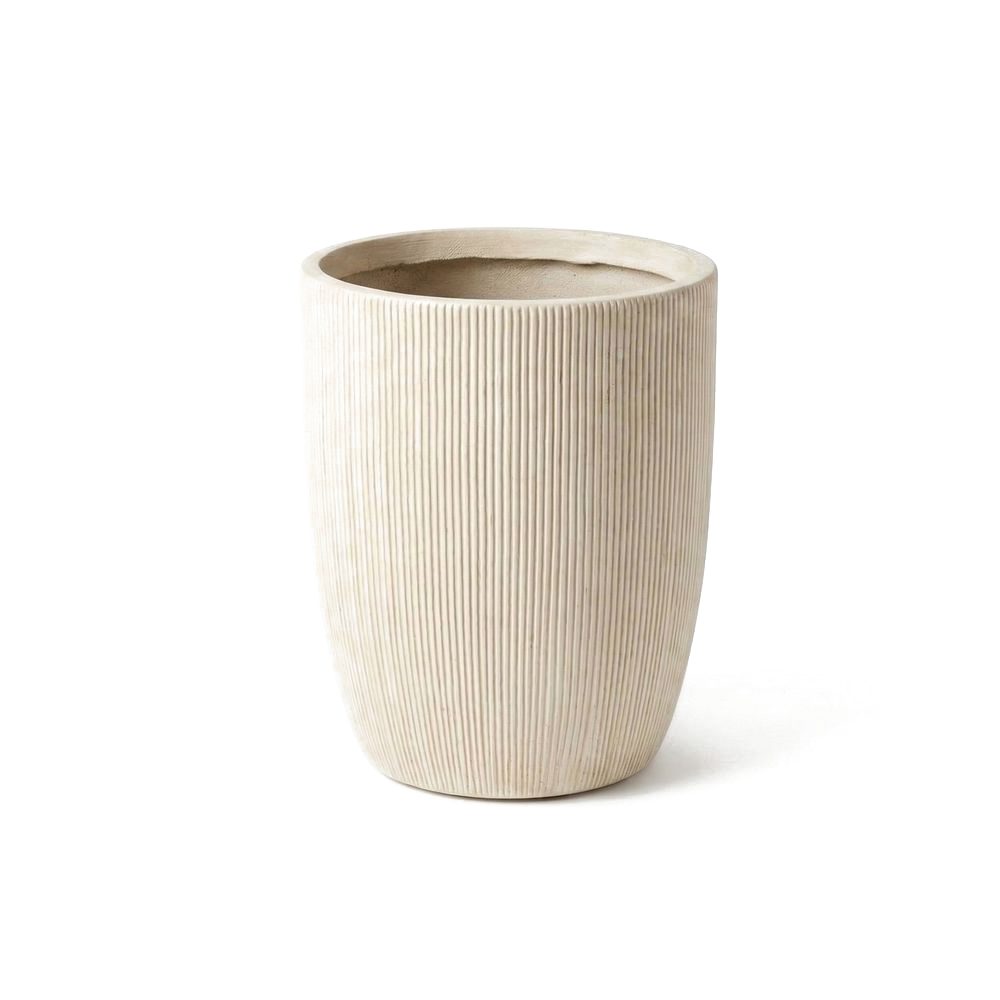 Mars
Mars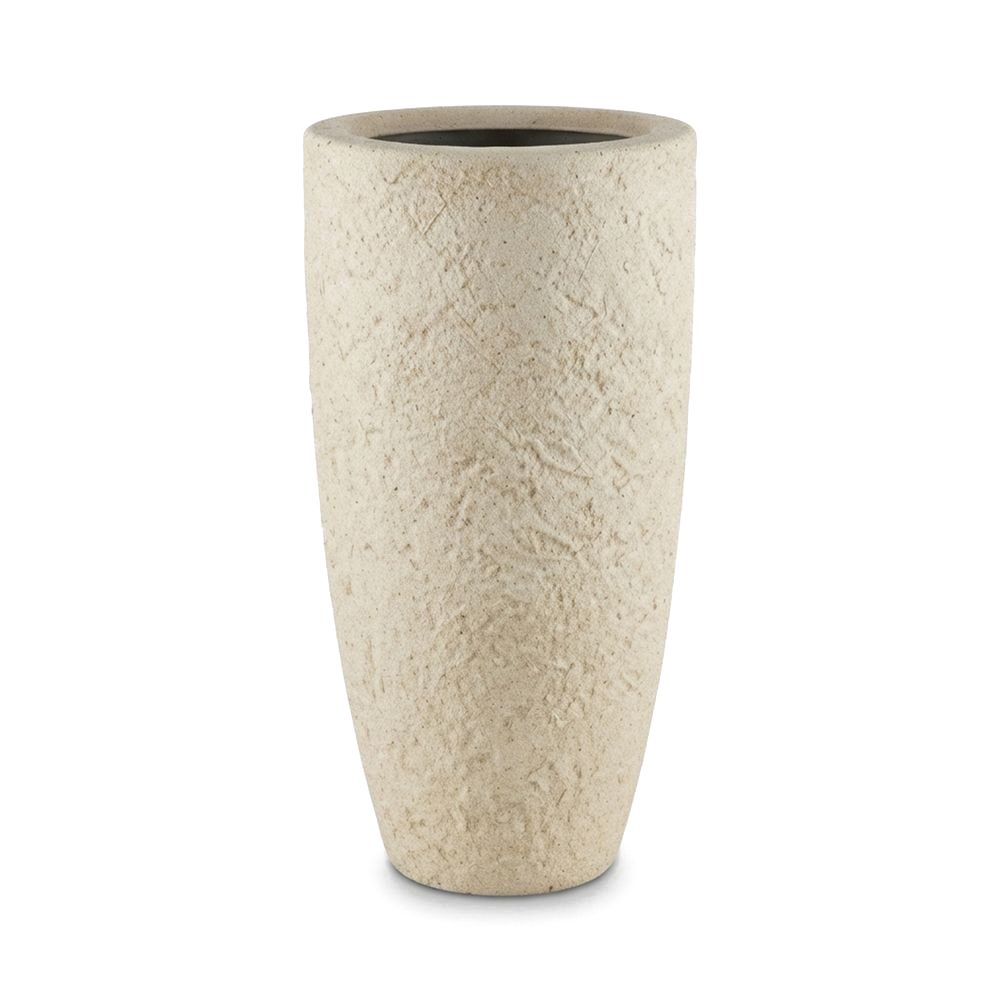 Pulsar
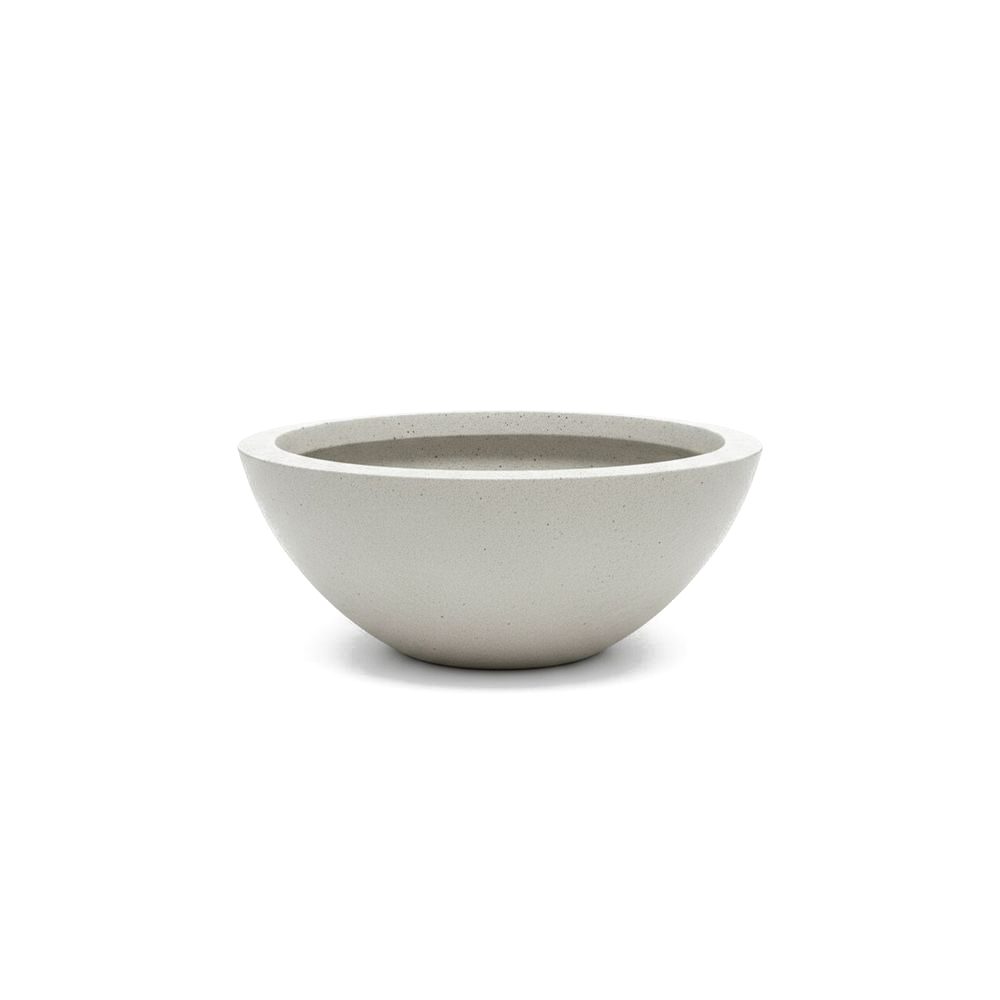 Cigar
Cigar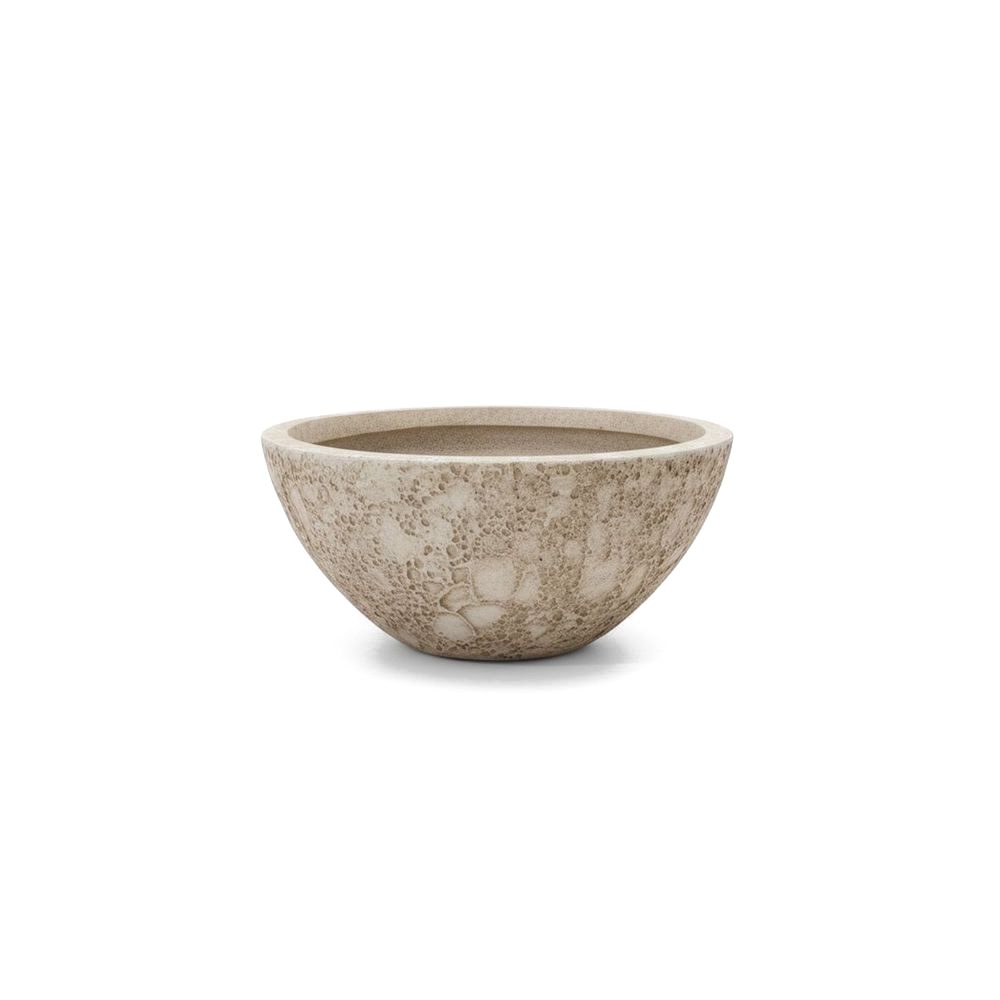 Çana
ÇanaChoosing planters for terraces and balconies
On a terrace or balcony, weight, drainage and the plant's needs matter as much as looks. This guide sums up what to check before you choose.
October 10, 2026 · MOGRA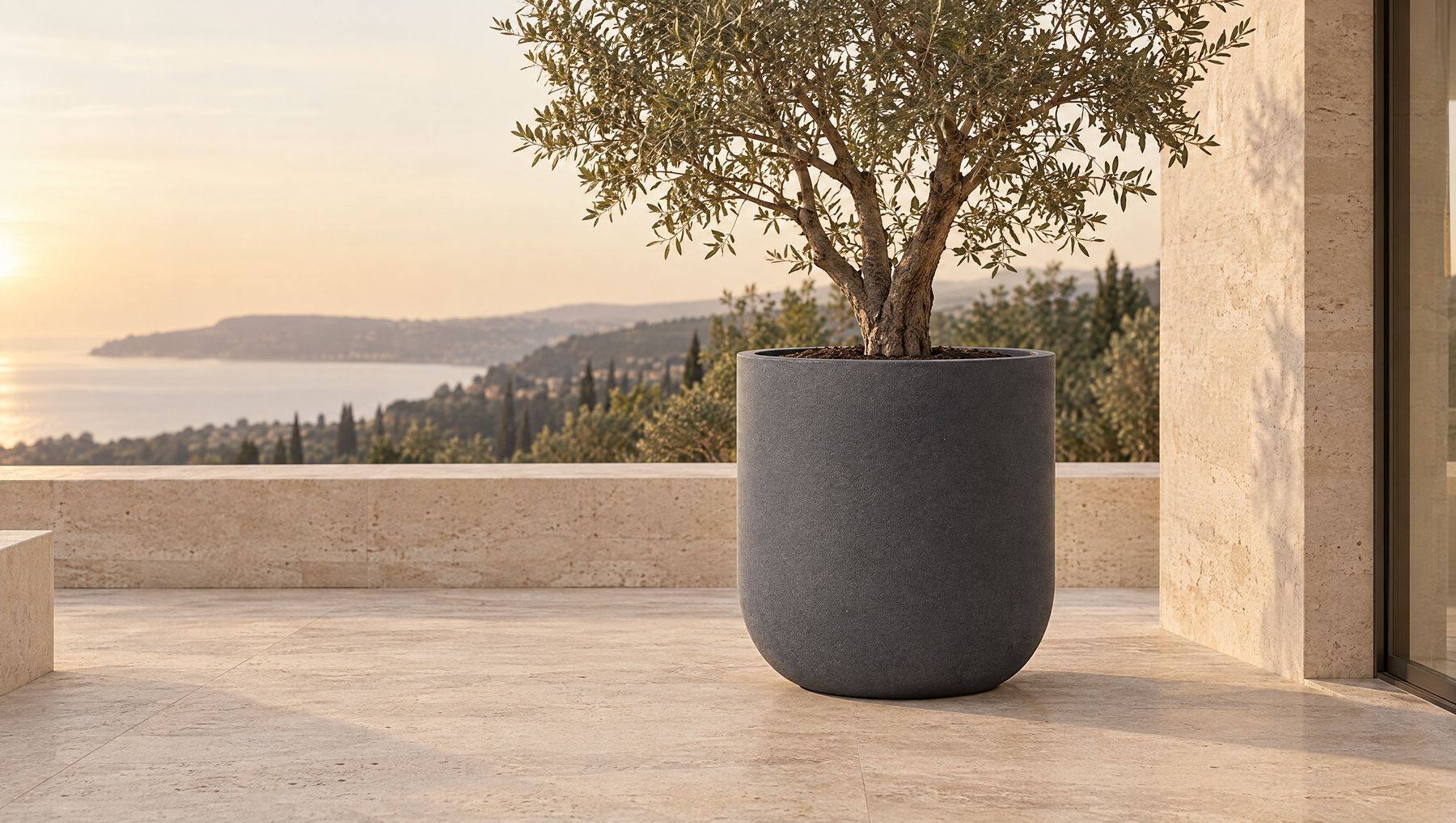
1. Start with weight
Planter, soil and water together add up to a serious load on balconies and terraces. Fiberclay planters are far lighter than concrete and stone, which reduces that load and makes them easy to move.
2. Size for the plant
Match the planter to the root volume. Olive, ficus and citrus trees need wide, deep bodies; lavender, rosemary and seasonal flowers suit smaller sizes. The size table on each MOGRA series page helps.
3. Do not skip drainage
Standing water outdoors harms both plant and planter. Keep the drainage hole clear and add a gravel layer at the bottom. In winter, small feet under the planter help water run off.
4. Choose colour with the space
- Beige, sand and mink feel calm against light floors and white facades.
- Anthracite, lead grey and black create contrast with wood and dark floors.
- Several sizes of one series used together give an ordered, deliberate composition.
5. Plan for wind and sun
On high floors, wind can tip tall, narrow planters. Choose wide-based forms there. Fiberclay resists UV, so it keeps its colour on sunny terraces for years.